Controlled Fill That Prevents Settlement
Backfill & Compaction in Missoula for projects where structural integrity depends on stable support around foundations and utilities
Trenches and excavated areas around foundations remain open until concrete cures and utilities are inspected, then backfill and compaction restore the ground to engineered density and prevent voids that cause pavement cracks, slab settlement, or wall movement years later. Backfill material is placed in controlled lifts and compacted to specifications that match the structural load or surface use above, whether that surface will carry vehicle traffic, support flatwork, or remain landscaped. Stonewall Construction handles backfill and compaction for commercial, governmental, and industrial projects where subsurface stability is verified rather than assumed.
Compaction testing confirms each lift meets the density percentage specified on civil or structural drawings, and material selection ensures backfill does not include organic matter, oversized rock, or frozen soil that prevents proper compaction. Coordination with concrete curing schedules and utility inspection timelines determines when backfill can begin without risking damage to new construction.
Request an estimate by sharing foundation plans, civil drawings, and backfill specifications so the scope reflects your project's compaction requirements and testing protocols.
What Changes After Compaction Is Finished
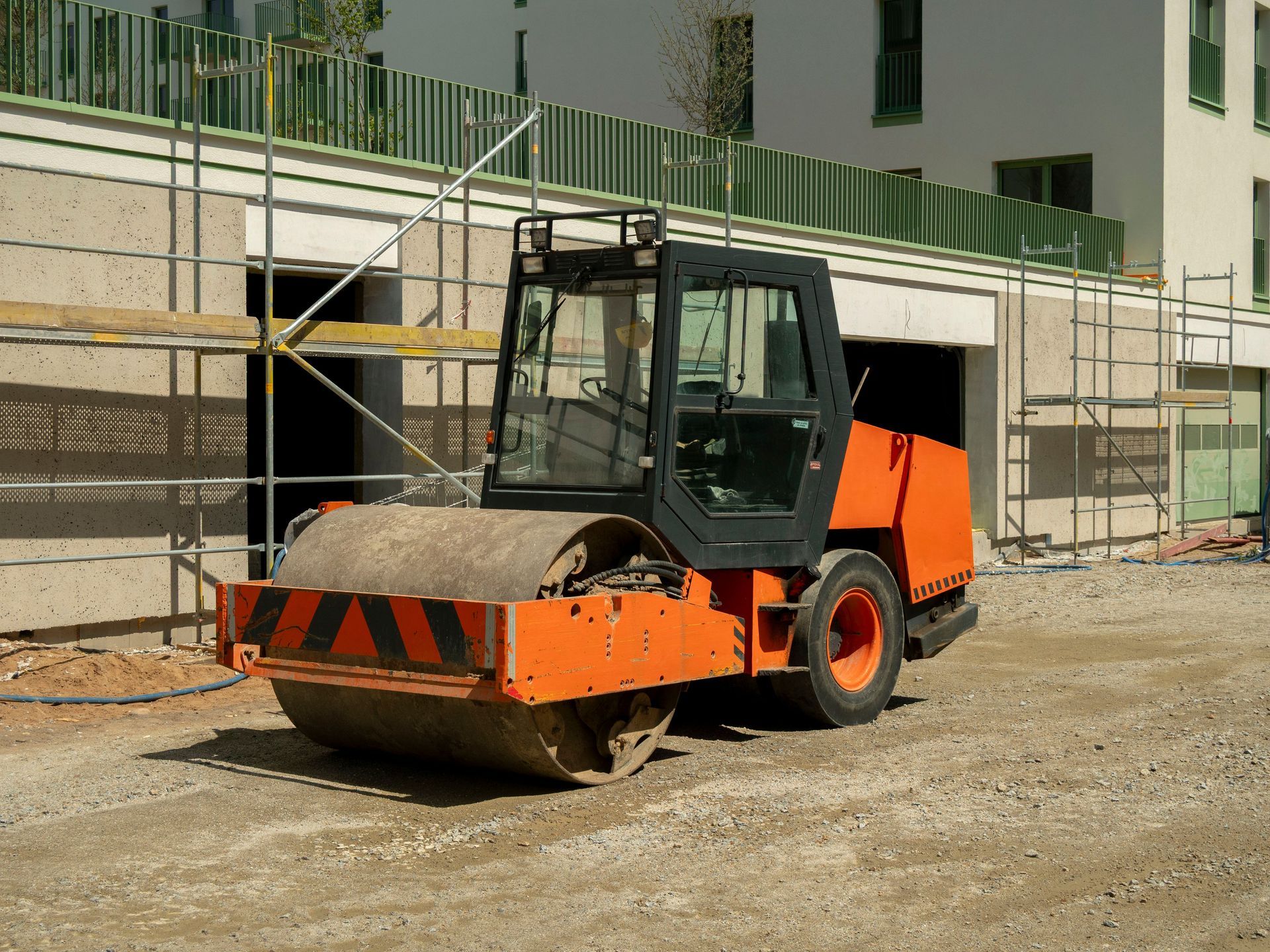
Compaction transforms loose backfill into stable ground by removing air voids and increasing soil density through repeated mechanical force applied in thin lifts, typically eight to twelve inches before compaction. Each lift is tested with a nuclear density gauge or other approved method to verify it meets the specified percentage of maximum dry density, and compaction continues until the entire backfilled area reaches design elevations and density targets.
Once backfill and compaction are complete, the ground around foundations and utilities supports the loads applied above without settling, trenches no longer present voids that allow water infiltration or pavement failure, and the site is ready for flatwork, paving, or final grading. Testing documentation provides verification that compaction meets engineering standards, which is often required before subsequent trades proceed or building inspections are approved.
Backfill material quality and moisture content directly affect compaction results, and material that is too wet, too dry, or contains unsuitable particles must be conditioned or replaced before compaction testing will pass.
Common Questions About This Service
Project teams often ask how compaction is verified and what factors affect backfill schedules and material choices.
What backfill material is suitable for compaction around foundations?
Clean granular fill such as crushed gravel or select pit-run material without organic content, oversized rock, or frozen clumps compacts reliably and drains moisture away from foundation walls, meeting typical structural backfill specifications.
How is compaction verified during backfill operations?
Each lift is tested using a nuclear density gauge or plate compaction test to confirm it meets the percentage of maximum dry density specified on the civil or structural drawings, with results documented and submitted as part of project records.
When can backfill begin after concrete is placed?
Backfill around foundation walls typically waits until concrete reaches sufficient strength to resist lateral pressure from compaction equipment, which may be specified as a minimum curing period or confirmed by cylinder testing.
What happens if compaction testing fails on a lift?
The lift is reworked by adjusting material moisture content, reducing lift thickness, or switching to more suitable backfill material, then retested until density targets are met before the next lift is placed.
How does Montana's freeze-thaw cycle affect backfill and compaction?
Frozen soil cannot be compacted effectively and must be removed or allowed to thaw before backfill proceeds, and projects scheduled during winter months plan for weather delays or heated enclosures to maintain workable soil conditions.
Stonewall Construction coordinates backfill and compaction with foundation construction and site preparation to keep subsurface work moving through inspection and closeout without trade conflicts or scheduling gaps. Submit your foundation and civil plans to discuss backfill material requirements, compaction specifications, and testing protocols for your project.