Site Systems Built Into the Ground
Utilities in Missoula for commercial and public projects that depend on planned underground infrastructure
Stonewall Construction handles trenching and grading for commercial, governmental, municipal, and industrial construction sites where underground utility routes and proper drainage are established before vertical construction begins. Every trench follows engineered plans that specify depth, width, and routing for water lines, sewer systems, electrical conduit, and stormwater infrastructure. Grading sets the elevations that control how water moves across the site and where it collects or drains away.
Trenching prepares the planned routes for underground systems by removing soil to the dimensions and slopes shown on civil drawings, while grading reshapes the site surface to meet elevation benchmarks and drainage requirements. Material handling during excavation determines what soil can be reused for backfill and what must be hauled off, and coordination with subsequent trades ensures trenches remain stable and accessible until pipe or conduit installation is complete.
Submit civil plans and project details to receive a bid that reflects the specific trenching, grading, and material handling your site requires.
What Proper Site Grading and Trenching Require
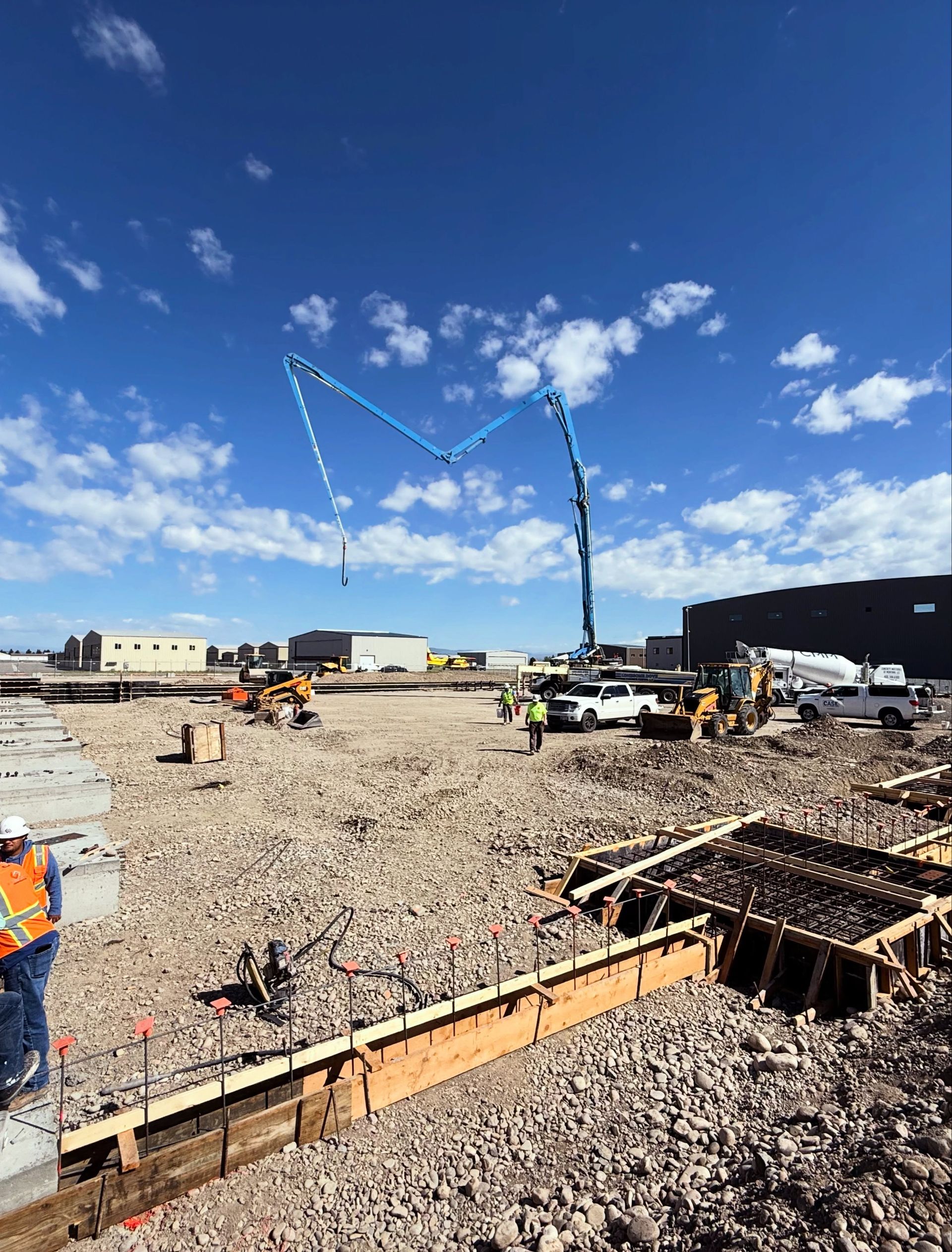
Plan-driven excavation means every trench depth, slope, and route is verified against the civil drawings before digging begins, and grading work establishes the exact elevations and contours that control drainage and meet design intent. Utility trenches are cut to widths that allow safe pipe installation and proper bedding material placement, and depths are controlled to prevent frost heave in Montana's freeze-thaw cycles while maintaining required cover over buried lines.
Once trenching and grading are complete, the site has defined routes for all underground systems, stable trench walls ready for pipe or conduit, and surface elevations that direct stormwater away from structures and toward planned drainage features. Backfill coordination ensures trenches are filled and compacted only after utility installation is inspected and approved, preventing settlement or voids that compromise pavement or flatwork later.
Stonewall's excavation and utility capabilities allow the same crew to handle grading, trenching, and coordination with utility installers, reducing the number of subcontractors moving through early site work and keeping the schedule aligned with foundation and structural trades.
What Project Teams Usually Ask
Questions about utilities trenching and grading often focus on coordination with other trades, material handling, and how site conditions affect the schedule.
What information is needed to bid trenching and grading work?
Civil drawings showing utility routes, trench dimensions, required slopes, finish elevations, and any bedding or backfill specifications provide the detail needed to estimate excavation quantities, material handling, and equipment requirements accurately.
How is material from trenching and grading managed during excavation?
Soil removed from trenches is evaluated for reuse as backfill based on moisture content, rock content, and gradation, and material that does not meet backfill specifications is stockpiled for export or reuse elsewhere on the site if the civil plan allows.
What happens if existing utilities are encountered during trenching?
Trenching pauses, the project manager and design team are notified, and the conflict is documented and resolved through plan revisions or field adjustments before excavation resumes in that area.
How does grading establish proper drainage on a Missoula site?
Grading creates slopes and contours that direct surface water toward catch basins, swales, or retention areas shown on the civil drawings, preventing ponding near structures and ensuring stormwater moves off hardscape surfaces as intended.
When should trenching be scheduled relative to other site work?
Trenching typically follows rough grading and precedes utility installation, with backfill and compaction occurring after utilities are placed and inspected, allowing the site to remain accessible for equipment and subsequent trades.
Stonewall Construction coordinates trenching, grading, and material handling with the broader excavation and site preparation scope to keep early construction stages moving without delays between trades. Share your civil plans and project timeline to receive an estimate based on your specific site conditions and utility requirements.