Concrete Slabs Built to Specification and Schedule
Commercial & Governmental Slabs in Missoula for projects where documentation, reinforcement standards, and field coordination determine approval
Commercial and government projects require concrete slabs executed according to engineered specifications, with documented quality control, on timelines coordinated with multiple trades. Stonewall Construction provides commercial and governmental slab work in Missoula, handling subgrade preparation, reinforcement placement, concrete placement, finishing, and coordination with surrounding construction scopes. The work addresses facilities where inspection, dimensional accuracy, and scheduled completion determine whether subsequent systems can proceed on plan.
The process begins with subgrade preparation to engineered elevation and compaction requirements, followed by placement of specified reinforcement before concrete arrives. Each step follows documented procedures because deviations in thickness, reinforcement location, or surface flatness affect structural performance and code compliance. Coordination with framing, mechanical, and electrical trades ensures penetrations, embeds, and access points align with design intent before concrete hardens.
Request a detailed project estimate based on your civil and structural drawings to review scope, sequencing, and timeline requirements.
How Disciplined Sequencing Supports Multi-Trade Projects
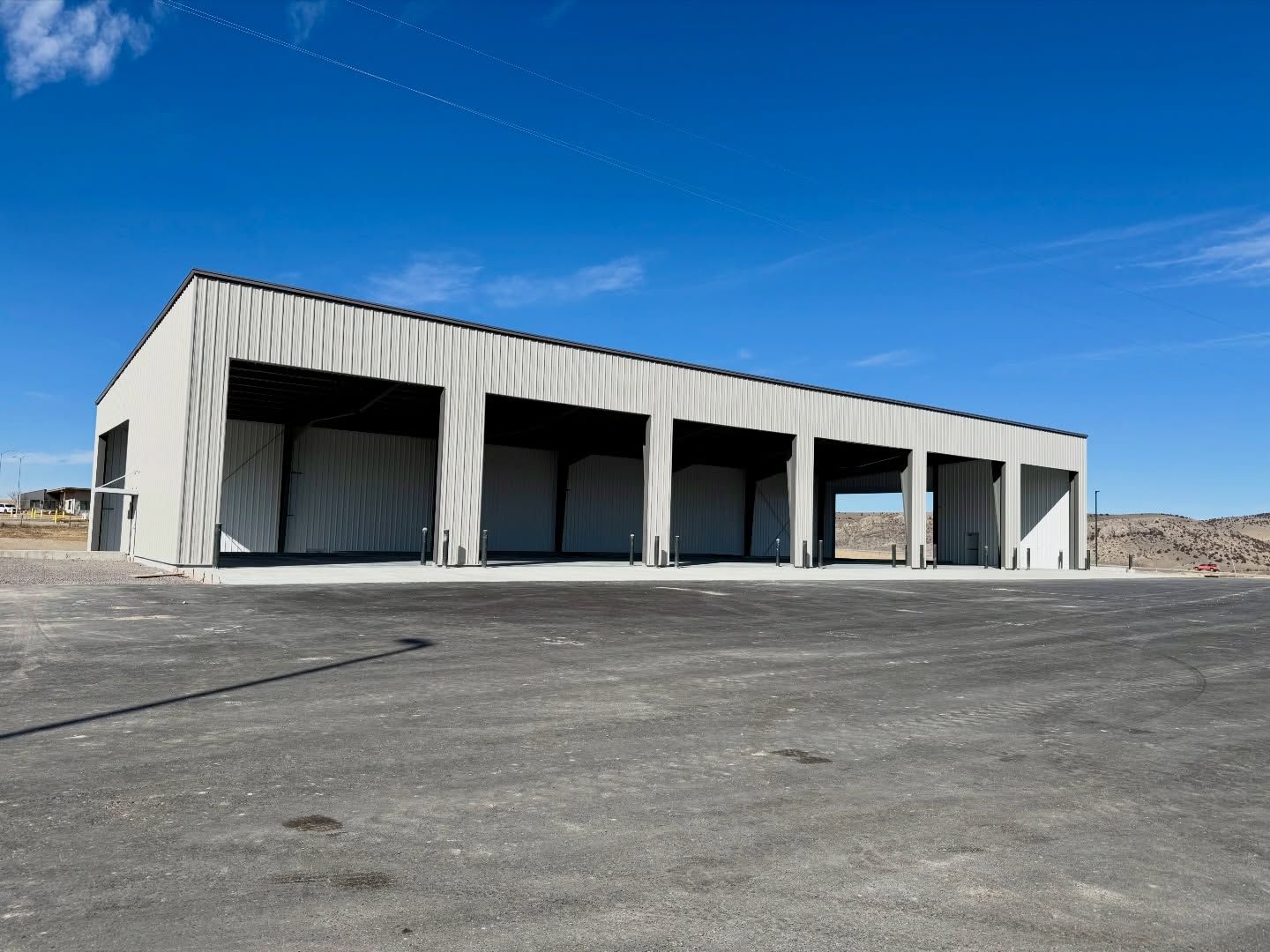
Government and commercial projects typically involve multiple contractors working within defined schedules, making slab placement timing critical. Stonewall Construction's ability to self-perform concrete scopes allows direct control over forming, placement, and finishing without coordination delays that affect subsequent trades. The sequence moves from layout verification through forming and reinforcement inspection, followed by placement and finishing to specified surface tolerances, then documented curing before allowing traffic or additional construction loads.
Once the slab is placed and finished, you see a flat, dimensionally accurate surface ready for flooring systems, partition framing, or equipment installation without remedial grinding or patching. The finished slab meets specified flatness and levelness criteria, with documented test results confirming compressive strength before construction loads are applied. Embedded anchor locations, control joint placement, and surface finish align with architectural and structural requirements, eliminating rework or delay claims from downstream contractors.
The work includes detailed pre-pour inspections, material testing coordination, and as-built documentation required for governmental acceptance and warranty compliance. Projects with strict specifications benefit from field crews trained to execute reinforcement placement, concrete consolidation, and finishing techniques that produce consistent results across large floor areas and multiple pours.
What Contractors and Agencies Ask About Slab Projects
Projects involving public funding or facility construction require clear answers about execution, testing, and schedule integration before contracts are awarded.
What documentation accompanies each slab pour?
Each placement includes batch tickets, reinforcement inspection reports, compressive strength test results, and flatness measurements documented according to project specifications and submitted for approval before subsequent work begins.
How is reinforcement placement verified before concrete arrives?
Layout is checked against structural drawings, with bar spacing, chair height, and splice locations inspected and photographed prior to pour authorization, ensuring compliance with engineered design and code requirements.
When can other trades begin work on the finished slab?
Traffic and construction loads are permitted only after documented compressive strength reaches specified thresholds, typically verified through cylinder break tests at seven or twenty-eight days depending on project requirements and scheduling needs.
How does Missoula's winter climate affect large slab pours?
Cold-weather concrete placement requires heated enclosures, insulated blankets, and temperature monitoring to maintain proper curing conditions, with documentation proving that minimum temperature thresholds were maintained throughout the curing period as specified.
What surface tolerances are standard for commercial and governmental slabs?
Tolerances are defined by project specifications, typically following ACI standards for flatness and levelness, with laser screed or hand-finishing methods selected based on required floor finish and equipment needs for that facility type.
Stonewall Construction coordinates slab execution with broader excavation and site preparation capabilities across Montana, providing contractors and agencies with unified project delivery. Contact our team with project drawings and specifications to discuss scheduling, testing protocols, and bid requirements for your upcoming commercial or governmental construction.