Groundwork That Sets Every System in Place
Site Preparation in Missoula for commercial construction requiring accurate elevations, drainage, and building-pad readiness before foundations begin
Site preparation determines whether foundations sit at design elevations, utilities route without conflicts, and drainage functions as engineered, or whether the project encounters delays, change orders, and remediation costs during construction. The work involves excavation to remove unsuitable material, grading to establish required elevations and slopes, material movement to balance cut and fill, and building-pad preparation that supports planned structures according to civil plans and geotechnical recommendations. Stonewall Construction provides site preparation in Missoula for commercial, governmental, municipal, and industrial projects where early-stage accuracy supports coordinated construction across multiple trades and defined schedules.
Execution follows civil drawings that specify finished grades, drainage paths, pad elevations, and access routes, with field verification ensuring existing conditions match surveyed data before excavation begins. Coordination with concrete and utility scopes eliminates rework because building pads, utility trenches, and site access must align before vertical construction, paving, and landscaping proceed on schedule.
Submit site plans and geotechnical reports for estimating that accounts for material handling, compaction requirements, and site access constraints.
Why Early-Stage Accuracy Prevents Later Problems
Site preparation errors compound as construction advances, turning minor elevation mistakes into foundation conflicts, drainage failures, and coordination disputes between trades. Stonewall Construction's excavation and concrete capabilities allow coordinated project delivery where site grading, foundation excavation, and concrete placement proceed without delays caused by separate contractors working from different benchmarks or schedules. Accurate site preparation means building pads sit at elevations that match foundation plans, drainage slopes direct water away from structures as designed, and utility trenches route without conflicts that require emergency redesign during construction.
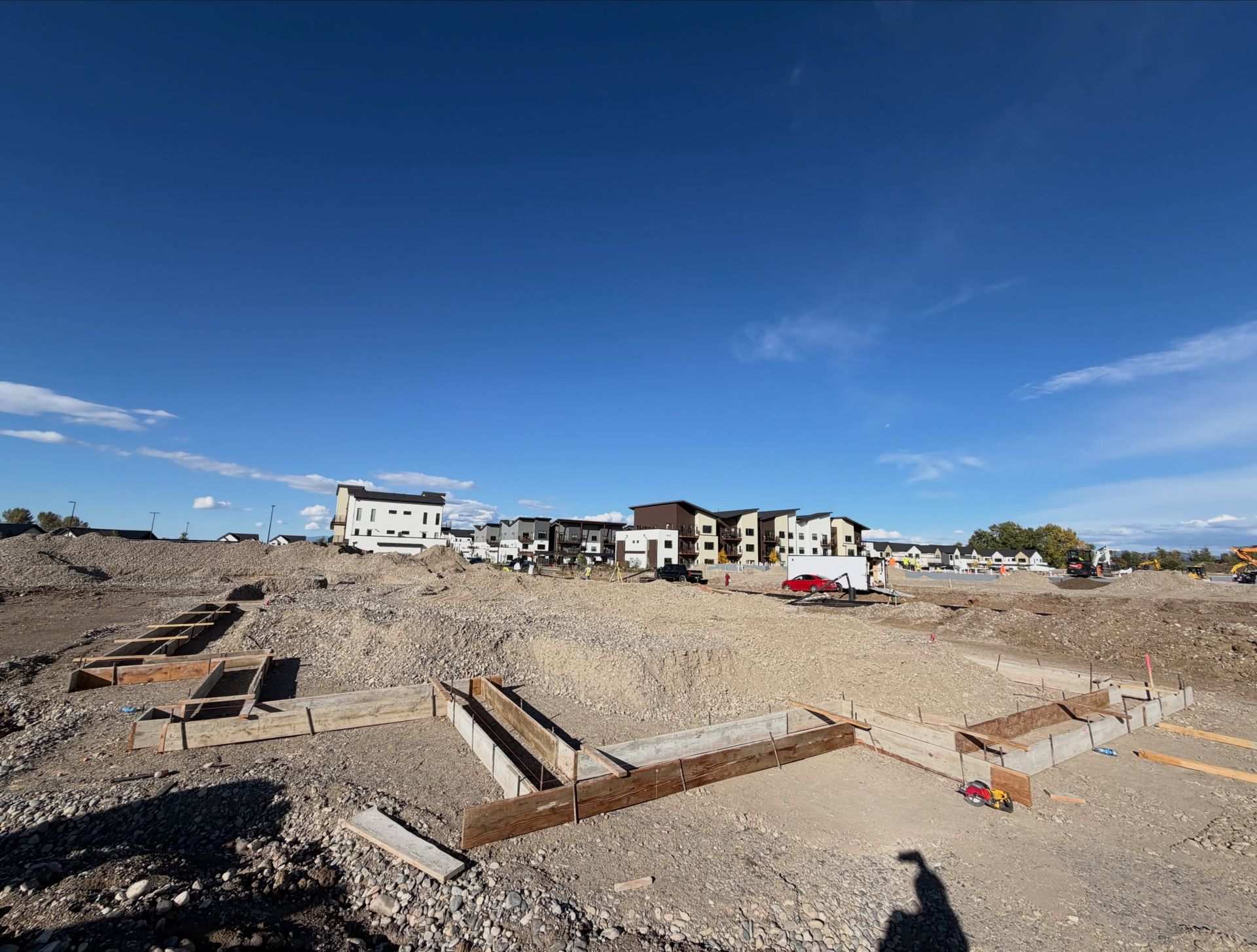
Once site preparation is complete, you see a graded, compacted surface ready for staking, forming, and foundation work without additional excavation or fill adjustments. Access routes support concrete trucks, material deliveries, and equipment movement without rutting or unstable areas that delay subsequent operations. Drainage swales, retention areas, and slopes function as engineered, preventing water accumulation near building pads or utility trenches during construction and after project completion.
The scope includes topsoil stripping and stockpiling for later landscaping use, unsuitable material removal and replacement with structural fill, compaction testing to verify bearing capacity, and coordination with survey control to maintain design elevations. Site preparation without rigorous elevation control and compaction verification leads to foundation settlements, utility conflicts, and warranty claims that consume project contingencies and extend schedules.
Common Questions About Site Preparation
General contractors and project owners planning commercial construction need clarity about site preparation scope, timing, and how field conditions affect cost and schedule before breaking ground.
What happens if subsurface conditions differ from geotechnical reports?
Unexpected soil conditions trigger immediate notification to the project geotechnical engineer, who determines whether additional excavation, material replacement, or foundation design changes are required before site preparation continues.
How is compaction verified to meet structural fill requirements?
Compaction testing using nuclear density gauges or sand cone methods confirms that fill material reaches specified density at required lift intervals, with test results documented and submitted for approval before construction loads are applied.
When can foundation contractors begin work after site preparation?
Foundation work begins after final grades are verified by survey, compaction tests confirm bearing capacity, and building pad elevations match structural drawings, ensuring that concrete placement proceeds at correct elevations without additional grading or fill adjustments.
How does Missoula's seasonal weather affect site preparation scheduling?
Spring snowmelt and fall rainfall create wet soil conditions that delay compaction and material handling, making summer and early fall the preferred periods for efficient site preparation work, though projects can proceed year-round with appropriate moisture management and equipment.
What site access is required during preparation and later construction?
Equipment and material delivery routes must accommodate concrete trucks, excavators, and material hauling without damaging completed work, requiring access road base preparation and maintenance throughout construction to prevent delays from stuck vehicles or impassable conditions.
Stonewall Construction ties site preparation directly to excavation, concrete, and utility capabilities across Montana, providing unified project delivery that eliminates coordination gaps between early-stage earthwork and structural construction. Contact Stonewall Construction with civil plans, geotechnical reports, and project schedules to discuss site preparation estimating and sequencing for your commercial or industrial development.